cw-manager precheck https://test.com/ – https://test.com
by Disha

cw-manager precheck https://test.com/ – https://test.com
by Disha
COVID-19 is a contagious disease caused by the coronavirus SARS-CoV-2. In January 2020, the disease spread worldwide, resulting in the COVID-19 pandemic.
The symptoms of COVID‑19 can vary but often include fever,[7] fatigue, cough, breathing difficulties, loss of smell, and loss of taste.[8][9][10] Symptoms may begin one to fourteen days after exposure to the virus. At least a third of people who are infected do not develop noticeable symptoms.[11][12] Of those who develop symptoms noticeable enough to be classified as patients, most (81%) develop mild to moderate symptoms (up to mild pneumonia), while 14% develop severe symptoms (dyspnea, hypoxia, or more than 50% lung involvement on imaging), and 5% develop critical symptoms (respiratory failure, shock, or multiorgan dysfunction).[13] Older people have a higher risk of developing severe symptoms. Some complications result in death. Some people continue to experience a range of effects (long COVID) for months or years after infection, and damage to organs has been observed.[14] Multi-year studies on the long-term effects are ongoing.[15]
COVID‑19 transmission occurs when infectious particles are breathed in or come into contact with the eyes, nose, or mouth. The risk is highest when people are in close proximity, but small airborne particles containing the virus can remain suspended in the air and travel over longer distances, particularly indoors. Transmission can also occur when people touch their eyes, nose, or mouth after touching surfaces or objects that have been contaminated by the virus. People remain contagious for up to 20 days and can spread the virus even if they do not develop symptoms.[16]
Testing methods for COVID-19 to detect the virus’s nucleic acid include real-time reverse transcription polymerase chain reaction (RT‑PCR),[17][18] transcription-mediated amplification,[17][18][19] and reverse transcription loop-mediated isothermal amplification (RT‑LAMP)[17][18] from a nasopharyngeal swab.[20]
Several COVID-19 vaccines have been approved and distributed in various countries, many of which have initiated mass vaccination campaigns. Other preventive measures include physical or social distancing, quarantining, ventilation of indoor spaces, use of face masks or coverings in public, covering coughs and sneezes, hand washing, and keeping unwashed hands away from the face. While drugs have been developed to inhibit the virus, the primary treatment is still symptomatic, managing the disease through supportive care, isolation, and experimental measures.
by Disha
YouTube is one of the most influential platforms in modern media, but its origin story is surprisingly simple: a small team wanted an easier way to share video online. In the early 2000s, uploading and sending video files was slow, formats were inconsistent, and most websites weren’t built for smooth playback. YouTube’s founders focused on removing those barriers—making video sharing as easy as sending a link.
YouTube was founded by three former PayPal employees: Chad Hurley, Steve Chen, and Jawed Karim. They combined product thinking, engineering skills, and a clear user goal: create a website where anyone could upload a video and watch it instantly in a browser.
At the time, sharing video often meant emailing huge files or dealing with complicated players and downloads. YouTube made video:
YouTube launched publicly in 2005. One of the most famous early moments was the first uploaded video, “Me at the zoo,” featuring co-founder Jawed Karim. The clip was short and casual—exactly the kind of everyday content that proved the platform’s big idea: ordinary people could publish video without needing a studio.
| 2005 | YouTube is founded and launches | Introduced easy browser-based video sharing |
| 2005 | “Me at the zoo” is uploaded | Became a symbol of user-generated video culture |
| 2006 | Google acquires YouTube | Provided resources to scale hosting and global reach |
By 2006, YouTube’s traffic was exploding. Video hosting is expensive—bandwidth and storage costs rise fast when millions of people watch content daily. Google’s acquisition gave YouTube the infrastructure and advertising ecosystem to grow into a sustainable business.
YouTube didn’t just create a popular website; it reshaped how people learn, entertain themselves, and build careers online. Its founding helped accelerate:
From a small startup idea to a global video powerhouse, YouTube’s founding is a classic example of a simple product solving a real problem—and changing the internet in the process.
by Disha
Raising a family comes with countless joys and just as many challenges – including the inevitable wear and tear that active households place on plumbing systems. Between bath time adventures, science experiments gone wrong, and the mysterious items that somehow find their way down drains, family homes face unique plumbing challenges that require proactive prevention strategies. The good news is that with the right knowledge and habits, families can significantly reduce plumbing problems while teaching children valuable lessons about home maintenance and environmental responsibility.
The kitchen serves as command central for most families, making it a prime location for plumbing issues. Cooking meals, cleaning up after snacks, and washing dishes create multiple opportunities for problems to develop. The key to kitchen plumbing success lies in understanding what belongs in drains and what doesn’t.
Grease and cooking oils represent the biggest threat to kitchen drains. When hot grease cools in pipes, it solidifies and creates stubborn blockages that attract other debris. Instead of pouring grease down the drain, let it cool and solidify in a container, then dispose of it in the trash. For small amounts, wipe greasy pans with paper towels before washing.
Food scraps, even small ones, accumulate over time and create significant clogs. Coffee grounds, eggshells, and pasta are particularly problematic. Installing a simple mesh strainer in the kitchen sink catches these items before they enter the drain. Make it a family rule that plates get scraped into the trash or compost bin before washing.
Teaching children to be mindful of what goes down the kitchen sink transforms them into plumbing allies. Create a simple “drain or trash” game where kids learn to identify items that belong in each location.
Family bathrooms see heavy traffic and diverse usage patterns that can stress plumbing systems. Hair, soap buildup, and small toys create common problems that are easily preventable with the right strategies.
Hair represents the most frequent cause of bathroom drain clogs. Installing inexpensive hair catchers in shower and bathtub drains prevents most hair-related blockages. Make clearing these catchers part of the weekly cleaning routine, and older children can take responsibility for this simple maintenance task.
Toilet paper usage often becomes excessive in households with children. Teaching appropriate amounts prevents most toilet clogs while also promoting conservation. The general rule of thumb is that anything other than toilet paper and waste should never be flushed – no matter how “flushable” the packaging claims.
Bath toys and small objects have an uncanny ability to disappear down drains. Establish toy cleanup routines before draining the tub, and consider using drain covers during bath time to prevent accidental losses.
Water conservation habits benefit both the environment and household budgets while reducing strain on plumbing systems. Simple changes in daily routines can dramatically impact water usage without sacrificing comfort or cleanliness.
Shorter showers represent the easiest conservation opportunity. Installing a shower timer or playing a favorite song can help children understand appropriate shower lengths. Consider low-flow showerheads that maintain pressure while reducing consumption.
Fixing leaky faucets immediately prevents water waste and teaches children that small problems can become bigger issues when ignored. Turn leak detection into a family game where everyone looks for drips and reports them promptly.
Different seasons bring unique plumbing challenges that families should anticipate and prepare for together. Winter preparation includes insulating exposed pipes and knowing how to shut off water in emergencies. Teaching older children the location of main water shut-offs empowers them to respond quickly if problems arise.
Spring offers an excellent opportunity for family plumbing inspections. Check outdoor faucets, inspect visible pipes for damage, and clear debris from gutters and downspouts. Making this an annual family activity builds awareness and responsibility.
Despite best prevention efforts, plumbing emergencies can still occur in busy family homes. Preparing children for these situations reduces panic and potential damage. Teach everyone the location of main water shut-offs and how to turn off individual fixtures.
Create a simple emergency contact list that includes reliable plumbing professionals. Having a relationship with trusted experts before problems arise ensures faster response times and better outcomes. Professionals like Beis Plumbing can provide guidance on emergency plumbing situations.
The most effective family plumbing strategy involves building sustainable habits rather than relying on occasional deep cleaning or emergency repairs. Regular maintenance becomes easier when everyone understands their role and the reasons behind various rules and procedures.
Consider implementing a monthly family plumbing check where everyone participates in inspecting fixtures, testing drains, and discussing any concerns. This routine builds awareness, catches small problems early, and reinforces the importance of home maintenance.
By combining education, prevention, and regular maintenance, families can enjoy their homes without constant worry about plumbing problems. Teaching children these skills creates responsible adults who understand the importance of home maintenance and environmental stewardship, making these lessons investments in both immediate comfort and future success.
by Disha
In today’s world, children are surrounded by countless toys, ranging from traditional classics to the latest high-tech gadgets. While the sheer variety can be overwhelming, parents have an incredible opportunity to choose toys that can meaningfully support their child’s cognitive, emotional, and physical development. Toys are not merely a source of entertainment; they are powerful tools that shape learning and growth during a child’s formative years. This article delves into how thoughtful toy choices can nurture development, highlighting the roles of the Montessori climbing cube and the hammer bench toy in fostering well-rounded growth.
Cognitive development encompasses the processes of learning, problem-solving, memory, and imagination. Toys that engage a child’s curiosity and challenge their thinking are instrumental in building these essential skills. When children play, they are not only having fun but also actively building neural connections that support their future learning and understanding of the world.
The hammer bench toy is an excellent example of a toy that nurtures cognitive development. With its simple yet engaging design, this toy encourages children to match the hammer with pegs, requiring focus and coordination. The repetitive action of hammering the pegs through the board allows children to experiment with cause and effect, an essential early concept. Moreover, the bright colours of the pegs provide an opportunity for toddlers to learn colour recognition and categorisation.
Similarly, toys like puzzles and sorting games challenge children to think critically, test solutions, and build persistence. These toys encourage exploration and trial-and-error problem-solving, which is crucial for developing logical reasoning.
Another significant aspect of cognitive development is imagination. Open-ended toys, such as building blocks or Montessori-inspired items, allow children to think outside the box and create their own worlds. The Montessori climbing cube, for instance, not only supports physical development (which we’ll explore shortly) but also sparks imaginative scenarios. A child might transform the climbing cube into a pirate ship one day or a secret hideout the next. This imaginative play fosters creativity and enhances their ability to visualise new ideas.
Toys like memory games, shape sorters, and stacking toys are particularly helpful for developing concentration and working memory. These activities require children to focus on tasks, complete sequences, and remember patterns, laying the groundwork for future academic success. The hammer bench toy, for instance, subtly reinforces memory as children recall which pegs need hammering and which have already been pushed through.
Toys are not only tools for learning but also a means for children to explore their emotions, build confidence, and develop empathy. Play is a safe space for children to express themselves, work through challenges, and understand their feelings.
The Montessori climbing cube is a shining example of a toy that builds confidence. This multifunctional climbing frame encourages children to navigate obstacles independently, providing them with a sense of accomplishment when they succeed. As children climb, balance, and problem-solve their way through the cube, they gain self-assurance in their abilities. This kind of play fosters resilience, teaching children that challenges can be overcome through persistence and effort.
Role-playing toys, such as play kitchens or dolls, also allow children to step into different roles and scenarios, building their self-esteem as they take control of their imaginative worlds. This independent exploration is vital for emotional growth and prepares children for real-life challenges.
Playing with toys that require patience or collaboration can help children learn emotional regulation. For instance, waiting their turn to use the hammer bench toy teaches patience, while observing others play helps them develop empathy. Dolls, stuffed animals, or action figures also allow children to practise nurturing behaviours, fostering a sense of care and understanding for others.
Parents can support emotional development further by engaging in play with their children. Through shared play, parents can model healthy ways to express emotions and solve conflicts, providing children with valuable tools for emotional well-being.
Physical development involves the growth of both fine motor skills (small muscle movements) and gross motor skills (large muscle movements). Active play is vital for strengthening muscles, improving coordination, and enhancing overall physical fitness.
The Montessori climbing cube is an exceptional tool for promoting gross motor development. Designed with Montessori principles in mind, this sturdy structure allows children to climb, balance, and manoeuvre their bodies in a safe environment. Climbing not only builds physical strength but also enhances coordination and spatial awareness. The cube can be paired with ramps, ladders, or slides to create a more dynamic play environment that evolves with the child’s growing abilities.
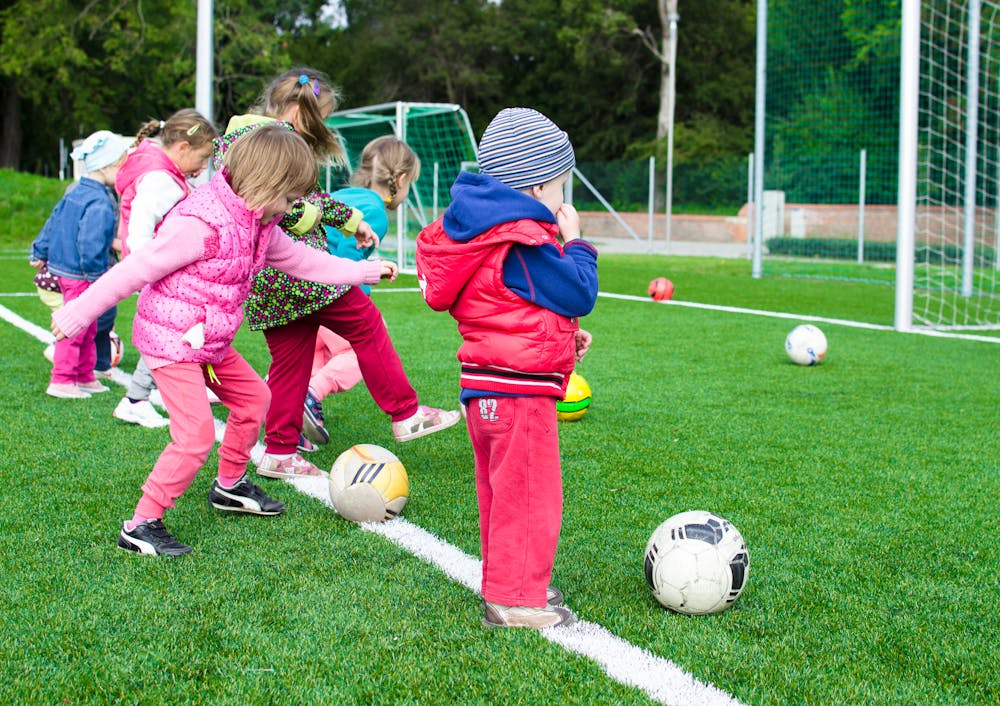
Outdoor toys like tricycles, balls, and jump ropes also contribute to gross motor skill development, providing opportunities for children to run, jump, and strengthen their bodies. These activities are critical for healthy growth and lay the foundation for an active lifestyle.
The hammer bench toy is equally valuable for physical development, focusing on fine motor skills. As children grip the hammer and aim for the pegs, they develop hand-eye coordination and dexterity. These skills are crucial for everyday tasks such as writing, drawing, and using utensils. The toy’s repetitive action strengthens the small muscles in the hands and fingers, preparing children for more complex activities in the future.
Other fine motor skill-building toys include stacking rings, bead mazes, and art supplies like crayons and scissors. These activities require precision and control, helping children refine their movements and improve their hand strength.
Montessori toys, such as the climbing cube, align with the philosophy of child-led, hands-on learning. These toys are designed to encourage independence, creativity, and exploration. They are typically simple, durable, and made from natural materials like wood, allowing children to focus on the activity rather than flashy features.
The Montessori climbing cube, for example, supports all three areas of development—cognitive, emotional, and physical. It encourages problem-solving and imaginative play while promoting independence and confidence. Additionally, its minimalist design ensures that the child’s attention remains on the task at hand, fostering deeper engagement.
Other Montessori-inspired toys, such as stacking blocks, sensory bins, and sorting trays, share similar benefits. These toys provide children with opportunities to practise real-world skills while fostering curiosity and self-discipline.
With so many options available, choosing the right toys for your child can feel daunting. Here are some tips to help you make informed decisions:
Smart toy choices are an investment in your child’s future. Toys like the Montessori climbing cube and the hammer bench toy illustrate how playthings can support cognitive, emotional, and physical development in a balanced way. By selecting high-quality, purposeful toys that align with your child’s developmental stage, you can create an enriching play environment that nurtures curiosity, confidence, and growth.
Remember, the best toys are those that spark joy and engagement while encouraging learning. Thoughtful playtime can lay the foundation for a lifetime of creativity, resilience, and success.